
First-party data
First-party data
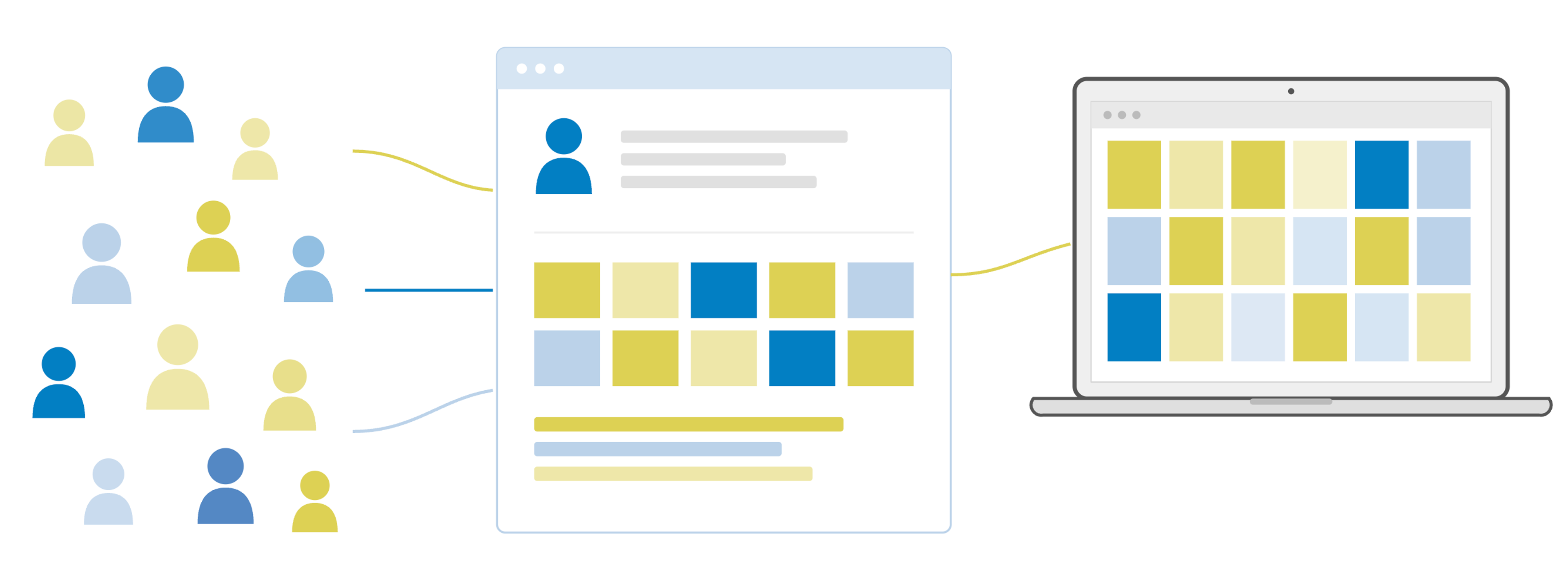
First-party data is information that an organization collects directly about its own customers, visitors, or users through its own channels. This data is generated through direct interactions, such as website visits, app usage, purchases, newsletter sign-ups, or customer service interactions.
Sources of first-party data
Common sources include website and app analytics, CRM systems, transaction data, loyalty programs, surveys, and customer interactions via email or customer service. Because organizations collect this data themselves, it is generally more up to date, reliable, and relevant than data obtained from external parties.
Difference between second-party and third-party data
Second-party data is another organization's first-party data, shared through a direct partnership. Third-party data is collected by organizations that have no direct relationship with the end user and is then made available through data brokers or data marketplaces.
Why first-party data is becoming increasingly important
As privacy regulations such as the General Data Protection Regulation (GDPR) become stricter, and third-party cookies become less widely available—Safari and Firefox already block them by default, while Chrome users can disable them themselves—organizations are investing more heavily in first-party data strategies. These include loyalty programs, personalized content, and other ways of building direct customer relationships.
Example
A publisher asks visitors to register free of charge to gain access to exclusive content. In doing so, the publisher collects first-party data, such as the user's email address, reading behavior, and interests. This data can then be used to personalize content, make newsletters more relevant, or create anonymized audience segments for advertisers without relying on third-party cookies.


